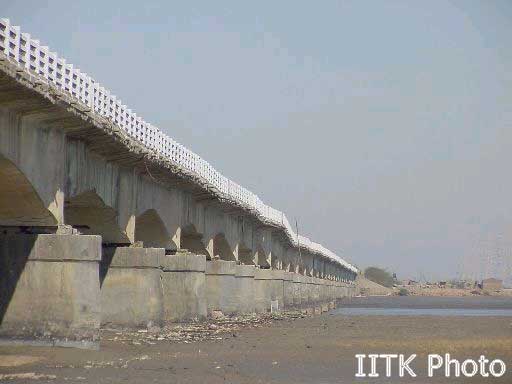
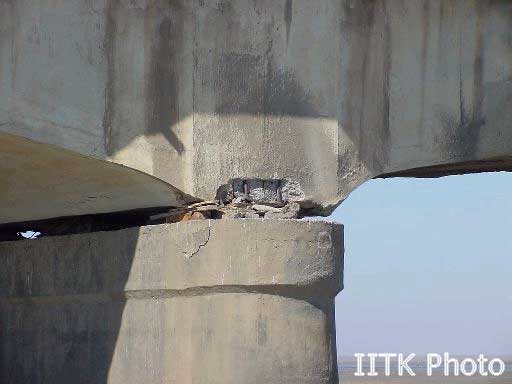
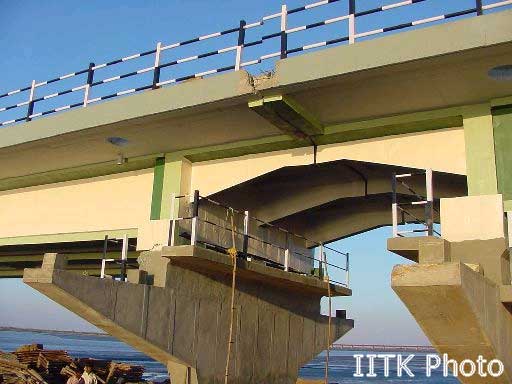
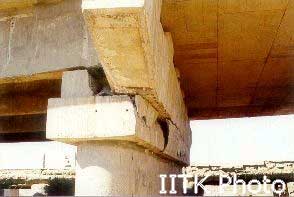
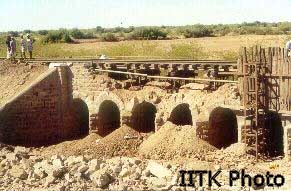
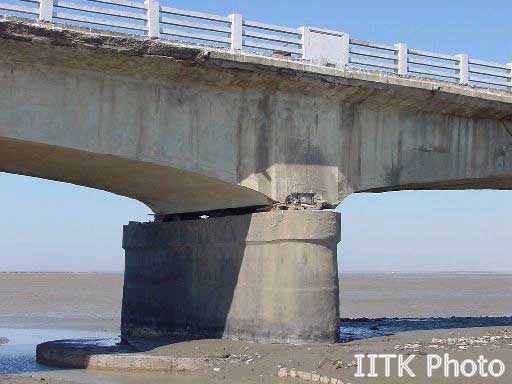
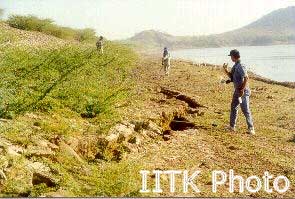
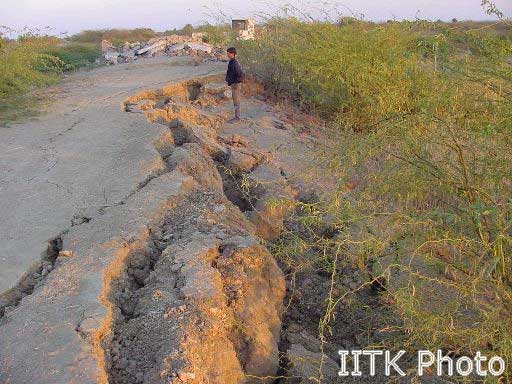
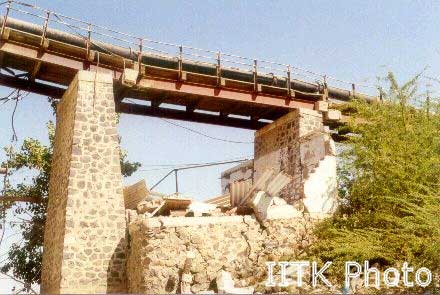
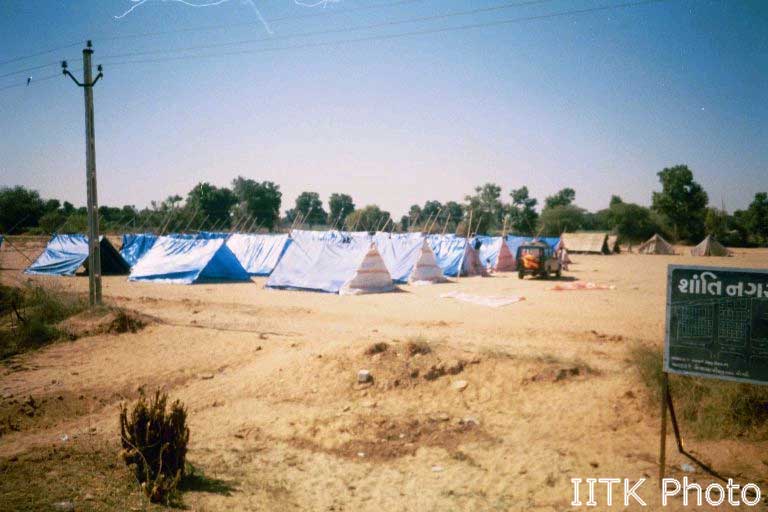
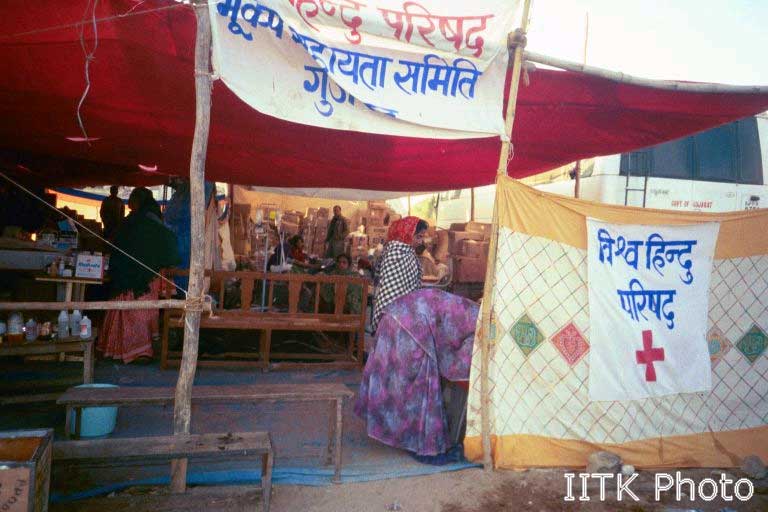
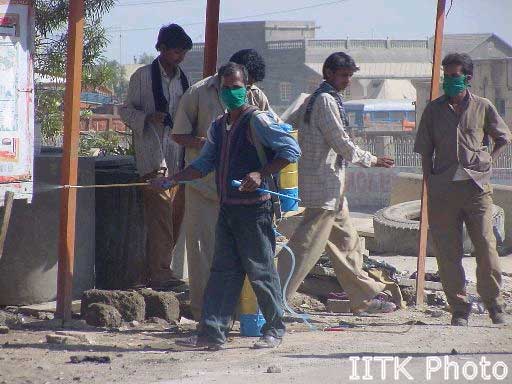
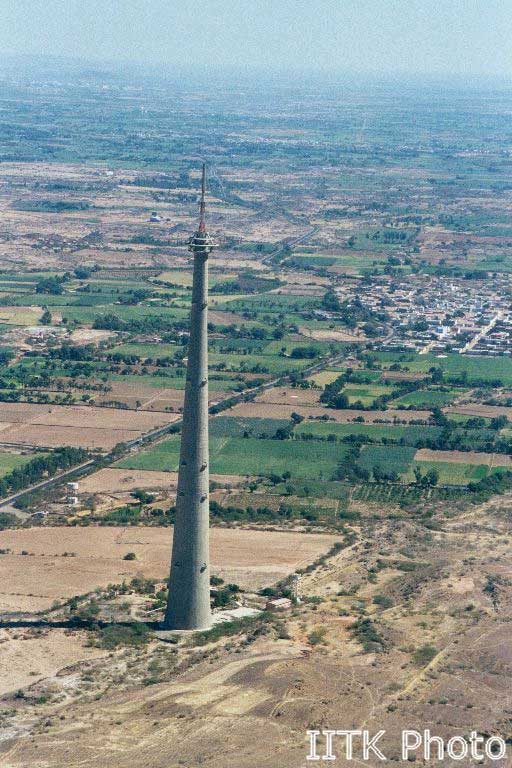
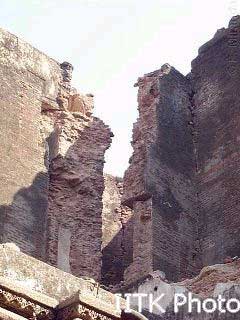

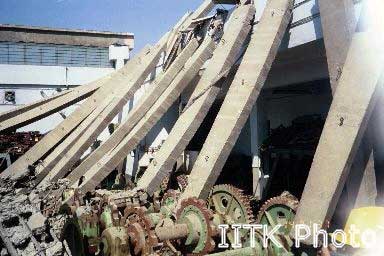
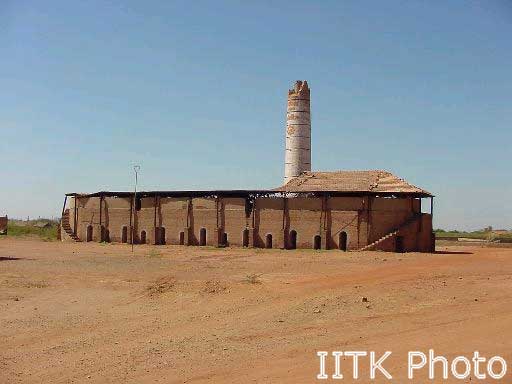
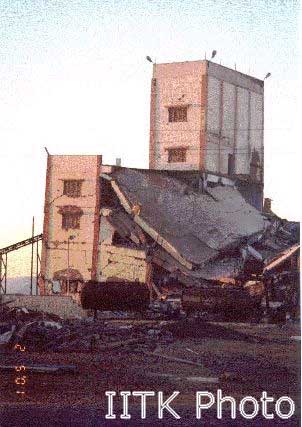
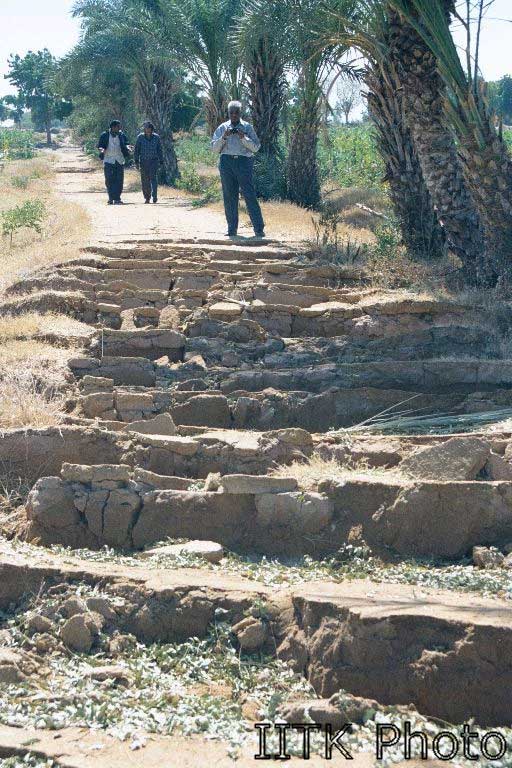
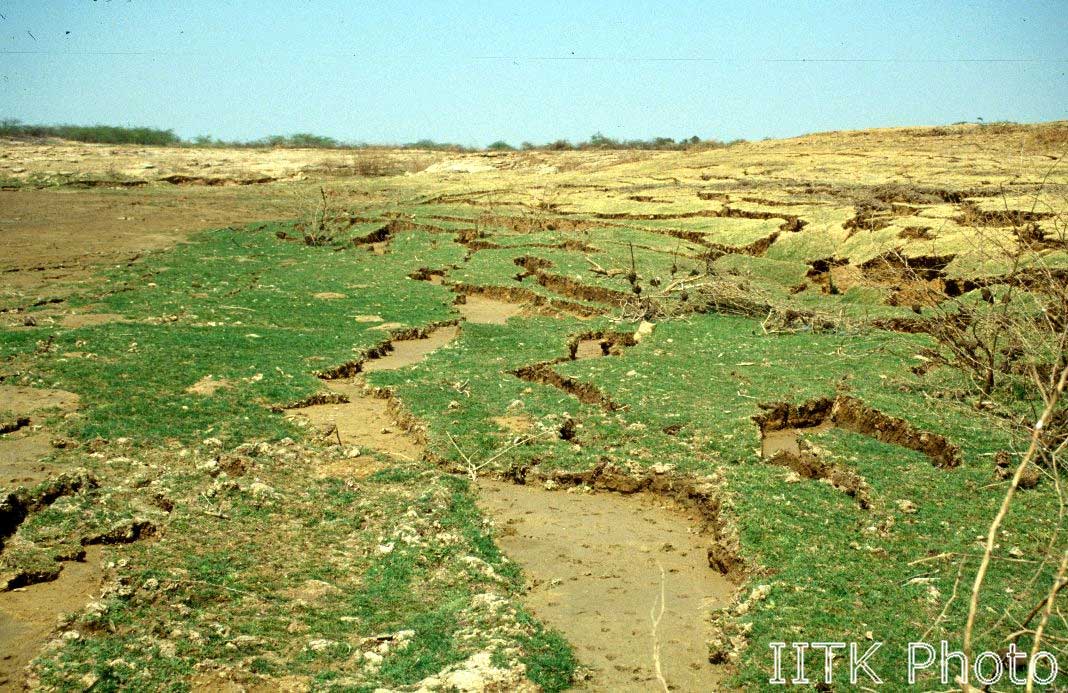
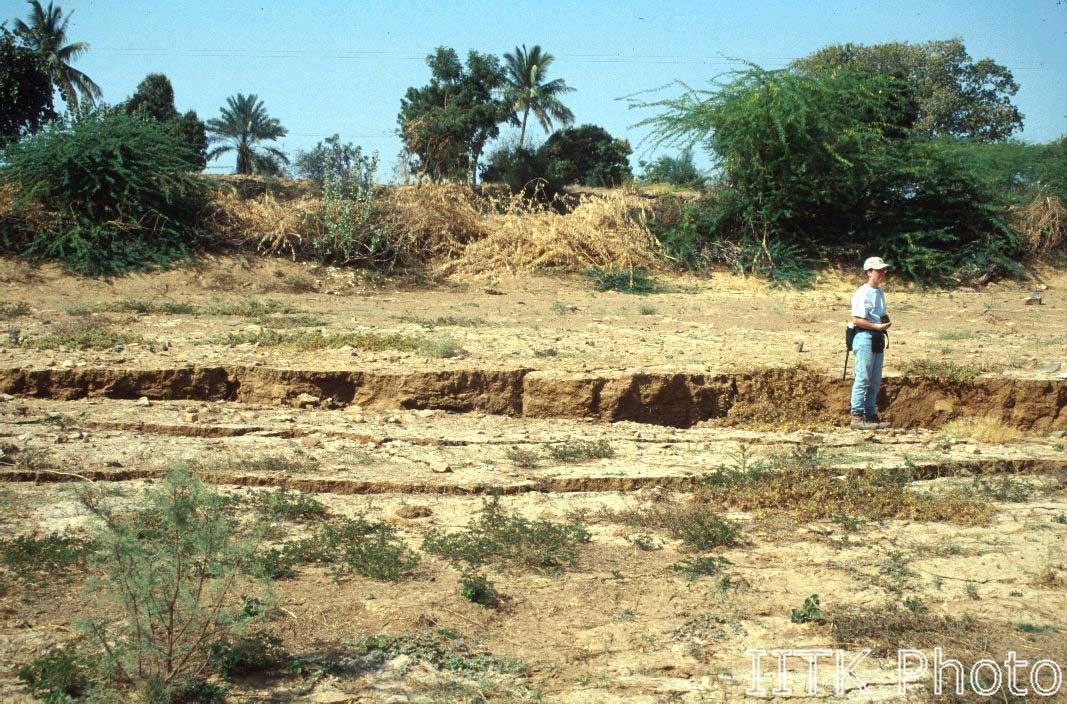
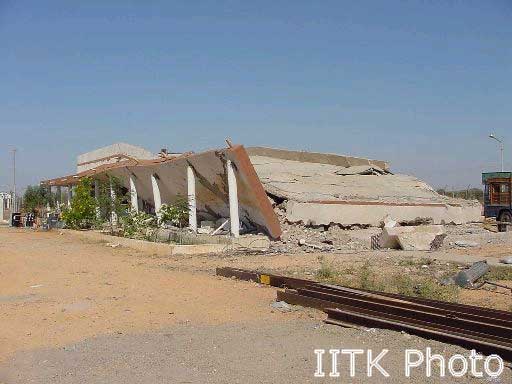
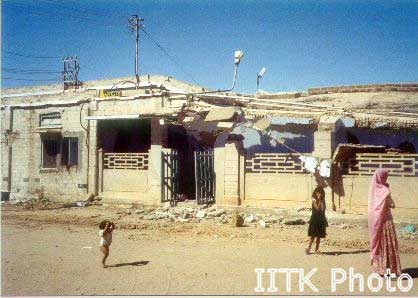
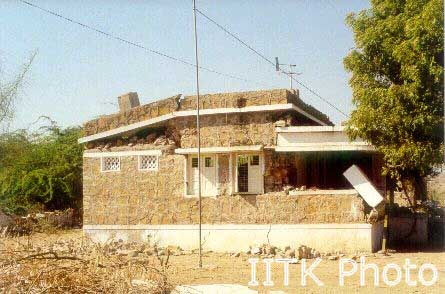
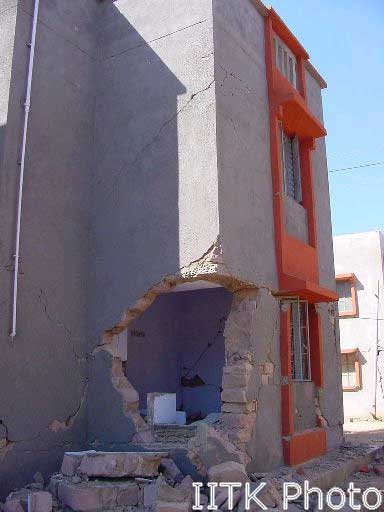
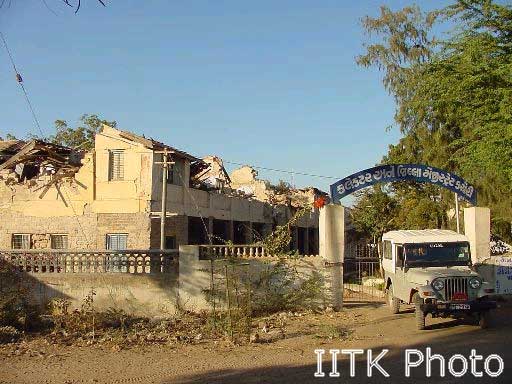
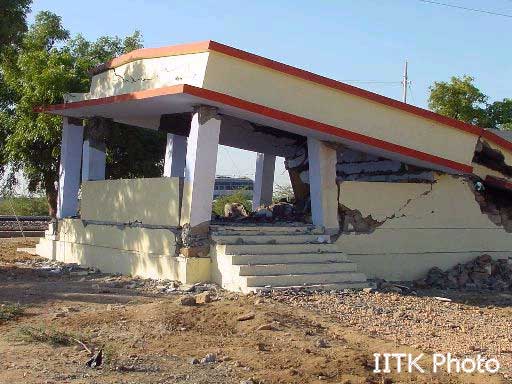
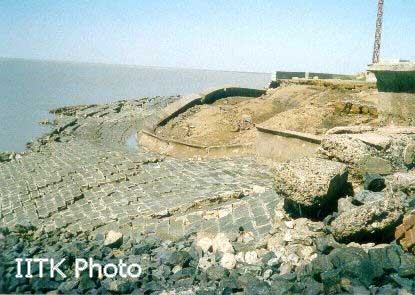
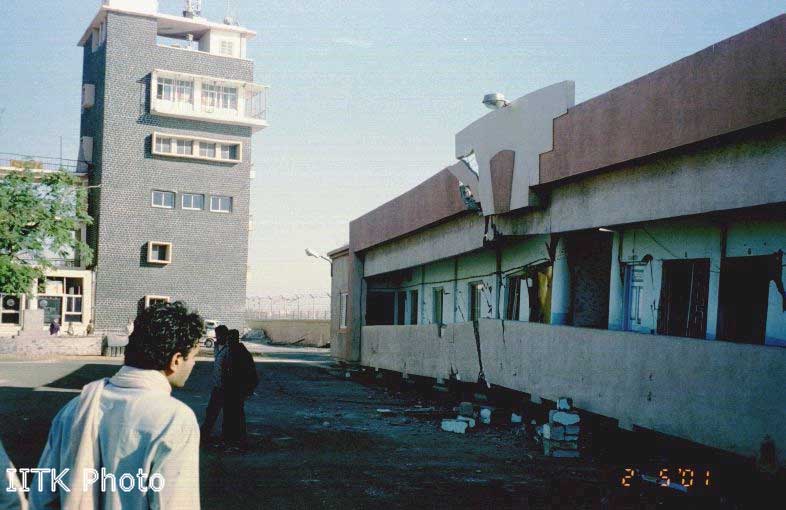
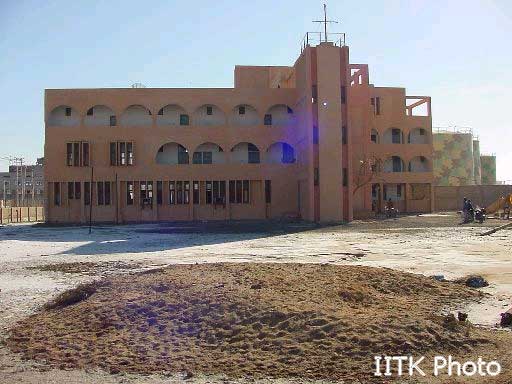
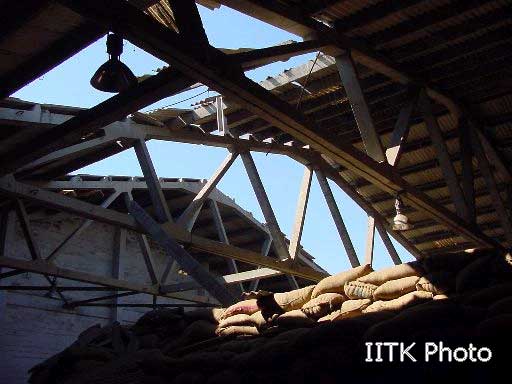
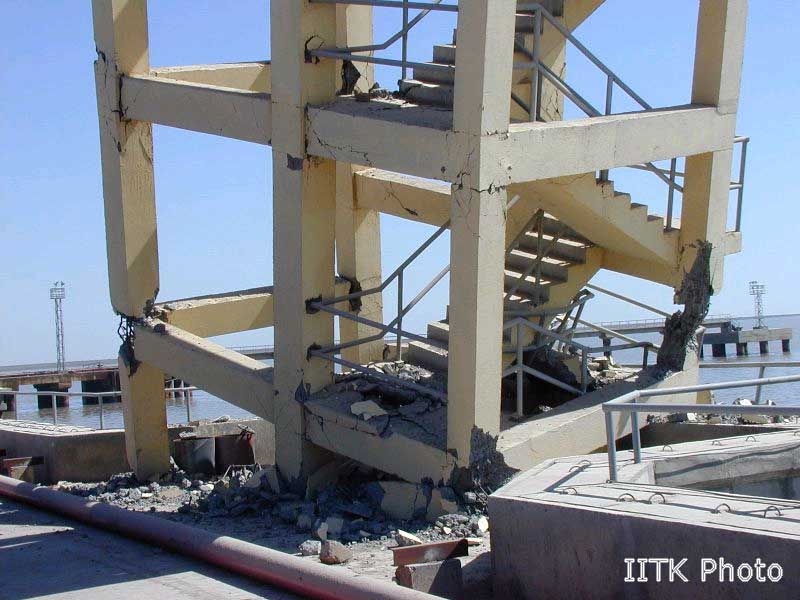
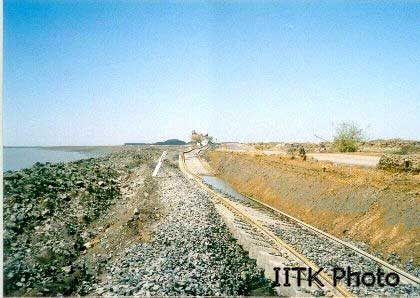
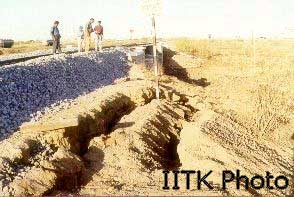
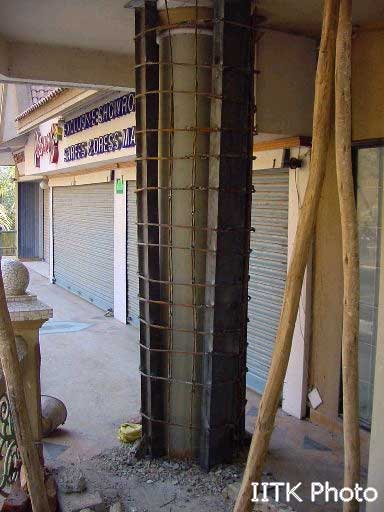
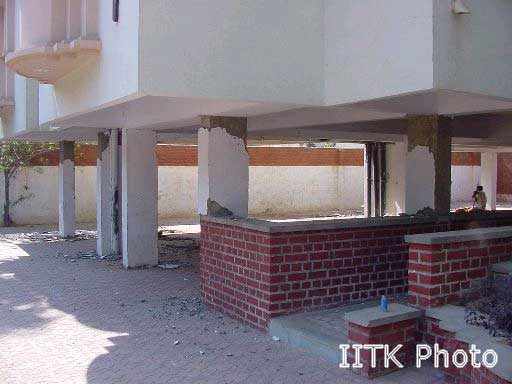
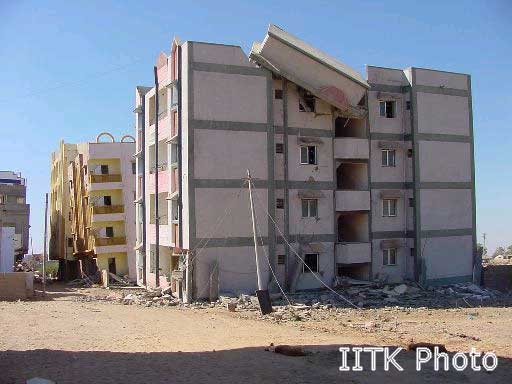
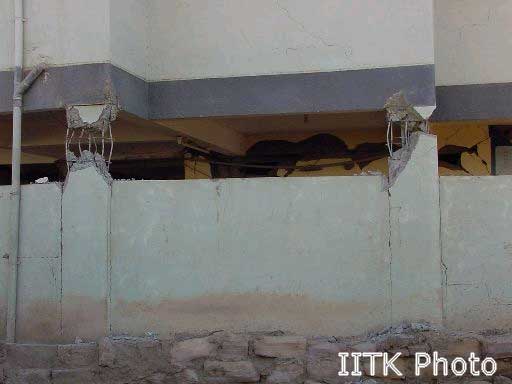
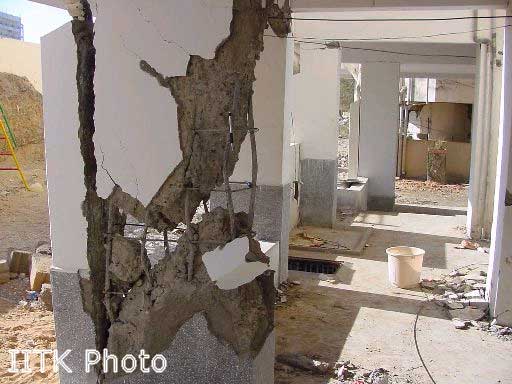
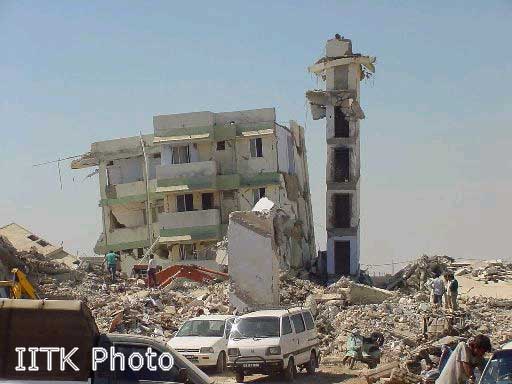
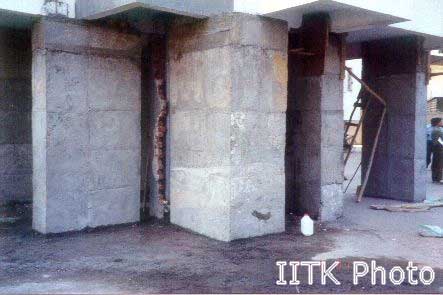
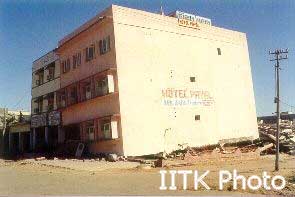
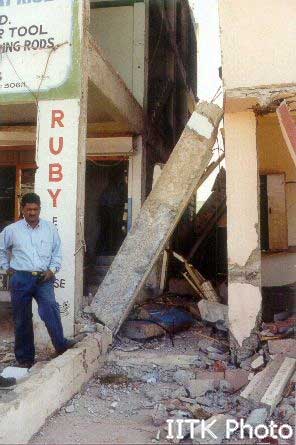
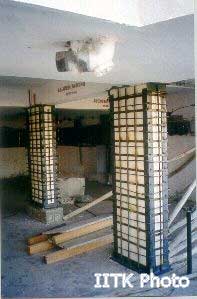
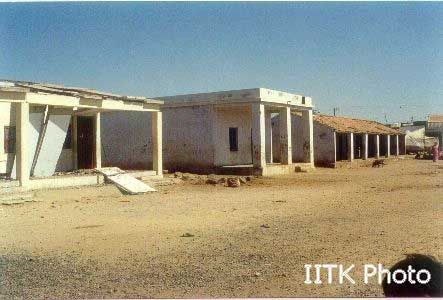
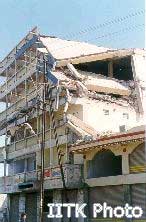
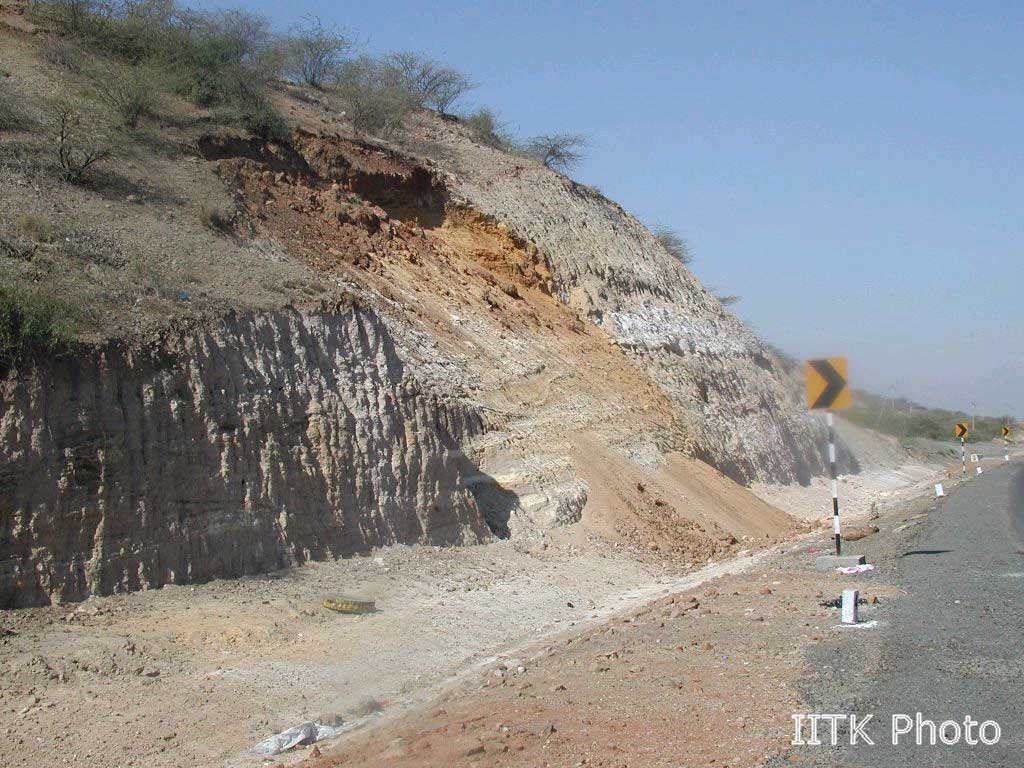
On 26 January 2001, the Mw 7.7 Bhuj earthquake struck Gujarat and became one of the most defining seismic events in India’s history. It caused widespread loss of life and destruction of homes, infrastructure, and livelihoods. Beyond its tragic human impact, Bhuj marked a turning point in how India understood and approached earthquake safety.
The earthquake showed that safety depends not only on calculations, but on proper design, detailing, construction quality, and enforcement. Strong materials alone are not enough; buildings must be ductile, well-connected, and correctly built architecture to survive strong shaking. Bhuj transformed theoretical provisions in building codes into visible engineering lessons.
Progress and Policy
Over the last twenty-five years, India has made significant progress in seismic safety. Seismic design codes have been strengthened, experimental testing facilities have expanded across the country, and earthquake engineering education has grown from a few institutions into a national academic and professional pipeline. Disaster management policies now emphasize preparedness, risk assessment, and mitigation, not only post-disaster response.
National knowledge dissemination initiatives, such as the National Information Centre of Earthquake Engineering (NICEE) at IIT Kanpur, have played an important role in documenting earthquake lessons, training engineers, and spreading awareness among professionals, students, and the general public.
The Road Ahead
Yet challenges remain. Uneven implementation, construction quality, and the safety of existing vulnerable buildings continue to be major concerns. On this 25th anniversary, Bhuj reminds us that earthquake safety is a continuous responsibility—linking science, engineering practice, governance, and public awareness to protect lives and infrastructure.
A central part of this responsibility is to ensure strict compliance in new construction so that we do not keep adding seismically deficient structures to the existing building stock.
Safe design and safe construction today determine the scale of disaster tomorrow.📰 Opinion Piece: DECCAN HERALD; Monday February 2, 2026; page no. 7
NICEE Educational Resources
View the Official Report: The Republic Day, Bhuj Earthquake of26 January 2001
Please visit the following pages on NICEE for more aspects of
Earthquake Engineering
Earthquake Tips (E-book)
nicee.org/ebook/EQTips_Eng/Model Building Codes
nicee.org/IITK-GSDMA_Codes.phpSeismic Codes Project
nicee.org/IITGN-WB_Codes.phpEngineering Education
nicee.org/npeeeConfined Masonry
nicee.org/confinedmasonry.phpCoordinator, National Information Center of Earthquake Engineering (NICEE)
IIT Kanpur